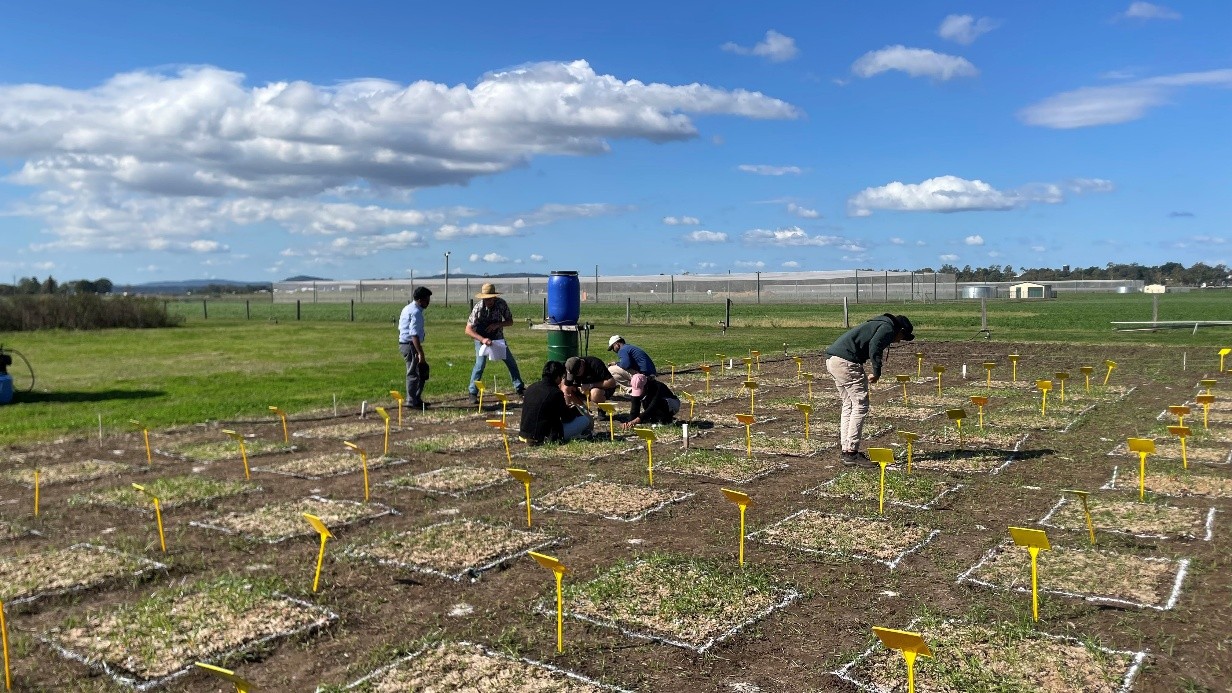
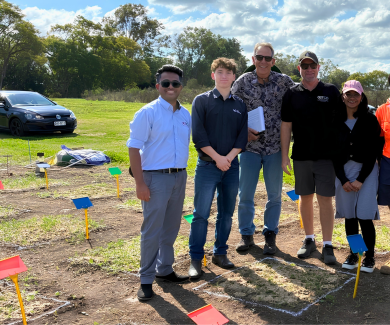
Vital Chemical has reached a major milestone in its collaboration with The University of Queensland (UQ), with field trials of its innovative biogel technology now underway at the Gatton Campus.
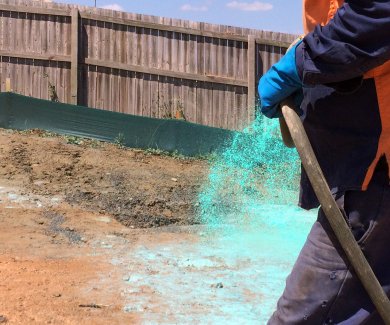
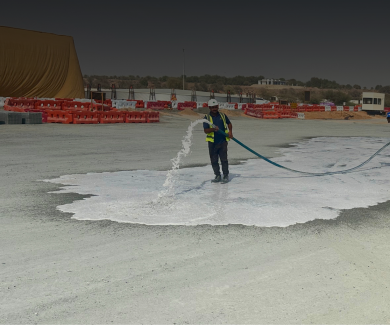
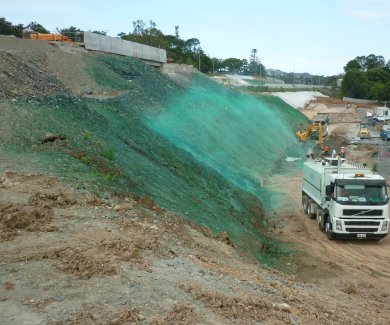
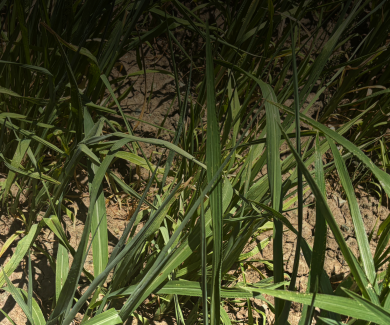
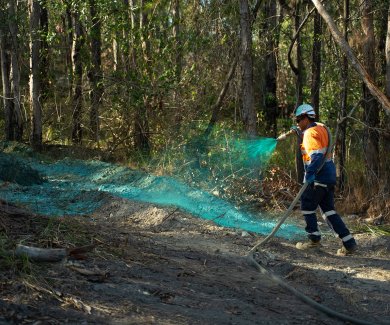
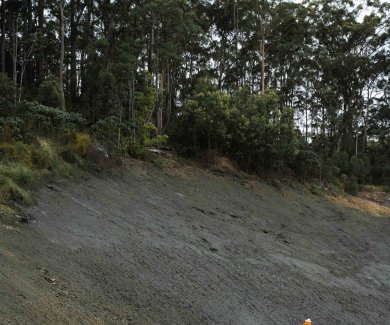
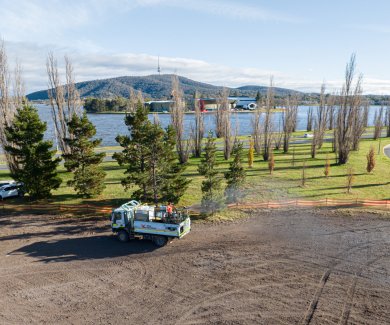
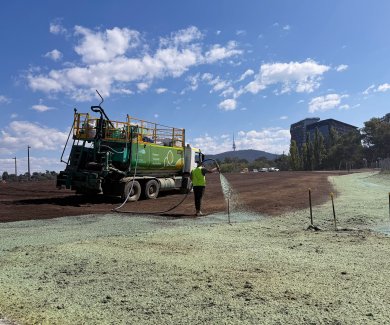
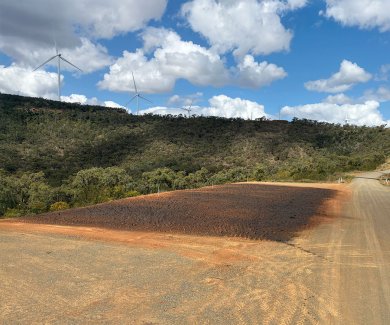
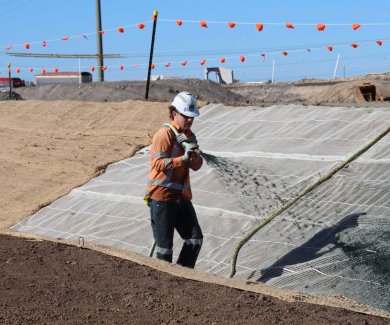
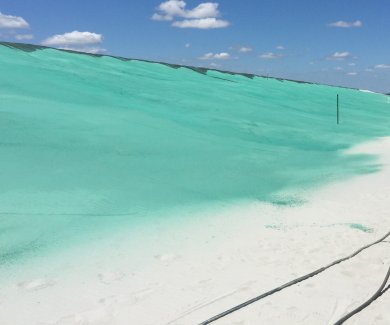
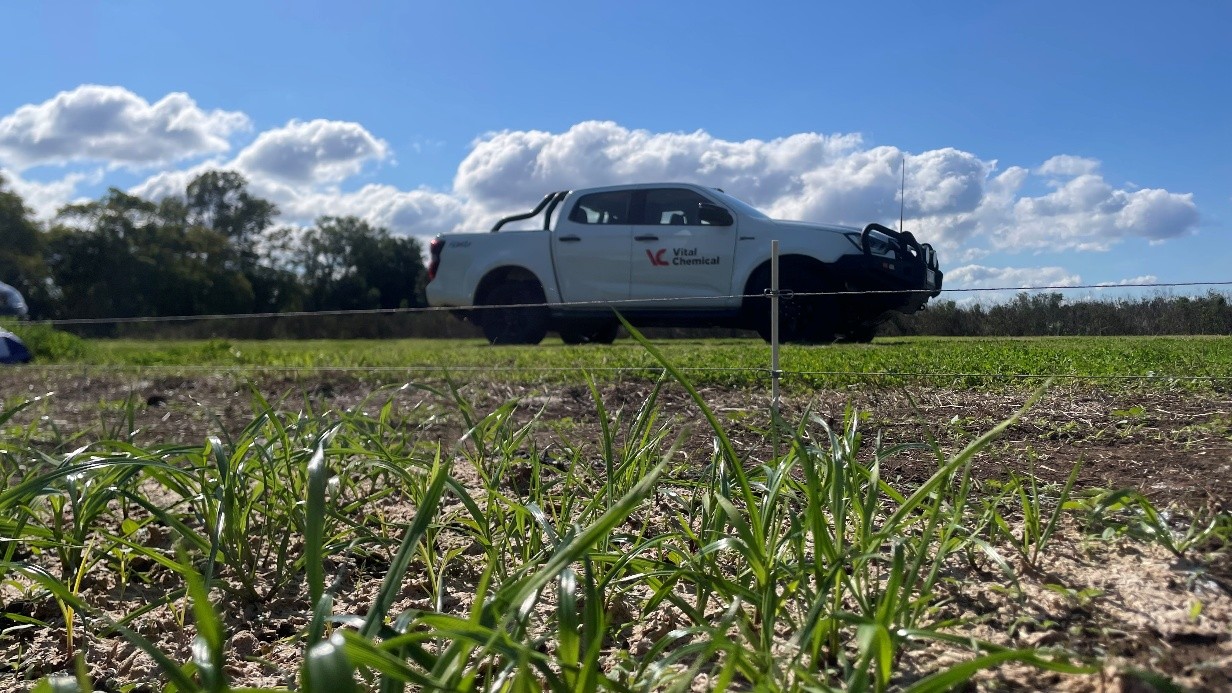
The biogel has been applied as part of a hydromulch revegetation solution, with early signs proving promising, as successful vegetation growth begins to sprout.
Funded through the Australian Economic Accelerator (AEA) Ignite Grant program, this milestone marks a significant transition from controlled laboratory validation into real world application. The field trials are designed to assess the biogel’s performance in improving soil moisture retention, reducing irrigation requirements and supporting consistent plant growth under practical environmental conditions.
The project was one of eight awarded funding through the Faculty of Engineering, Architecture and Information Technology (EAIT) as part of the AEA Ignite Grants program. The research collaboration, led by UQ’s Dr Hima Haridevan from the School of Chemical Engineering, received more than $490,000 to support its focus on developing sustainable alternatives to petroleum based superabsorbent polymers.
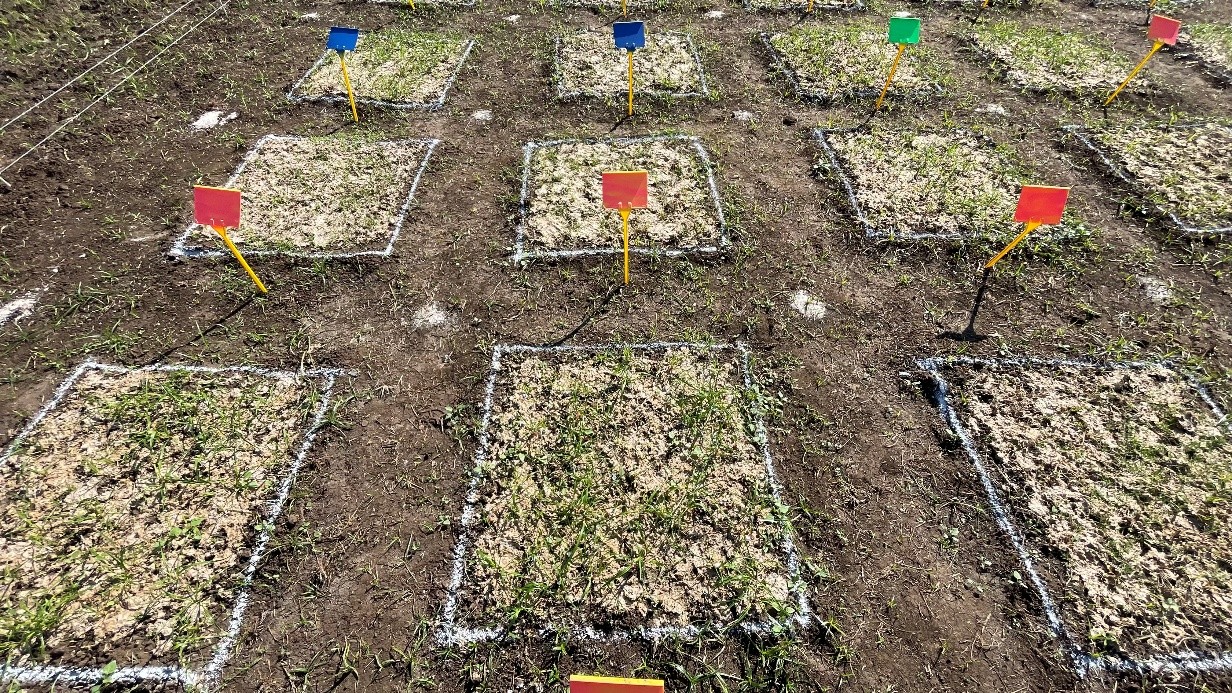
At its core is UQ’s biogel technology, a biodegradable material derived from cellulose waste that eliminates the need for synthetic chemicals and avoids the microplastic pollution associated with conventional SAPs.
Dr Hima Haridevan said the field trial phase would provide valuable data on how the biogel technology performs when exposed to the elements as part of a hydromulch revegetation solution.
“While laboratory testing indicated the biogel’s capabilities, this field trial stage allows us to evaluate how the biogel performs as part of the complete revegetation solution. The results will provide valuable data to help refine the technology and further demonstrate the benefits of sustainable alternatives to conventional superabsorbent polymers.”
The collaboration reflects Vital Chemical’s long-standing commitment to partnering with leading Australian universities to support the research and development of sustainable, circular innovations for environmental applications across a diverse range of industries.
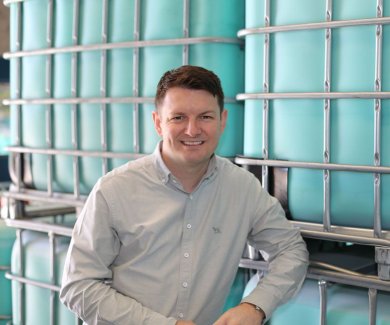
Vital Chemical Director Letiscia Xavier said the milestone highlights the importance of progressing innovation beyond the laboratory and into practical outcomes.
“Field trials are where innovation is truly tested, and that’s what makes this stage so important for us. Seeing early performance in real conditions gives us confidence that this technology has a clear pathway to application. We’re focused on accelerating the move away from synthetic materials and supporting solutions that are sustainable, scalable and practical in the field. Partnerships like this are key to bringing the next generation of environmental technologies to market.”
Professor Darren Martin from UQ said the progress demonstrates the strength of collaboration and the potential of bio-based technology as it moves toward broader adoption.
“This point in the project really highlights the strength of the enduring collaboration between UQ and Vital Chemical. By combining research capability with industry expertise, we’ve been able to move quickly from concept into trial applications and start pressure testing the technology at larger scale. The teamwork across the project has been outstanding, and the early results are very encouraging. It’s exciting to see the progress so far and the opportunity this creates as we continue to develop and refine the technology.”
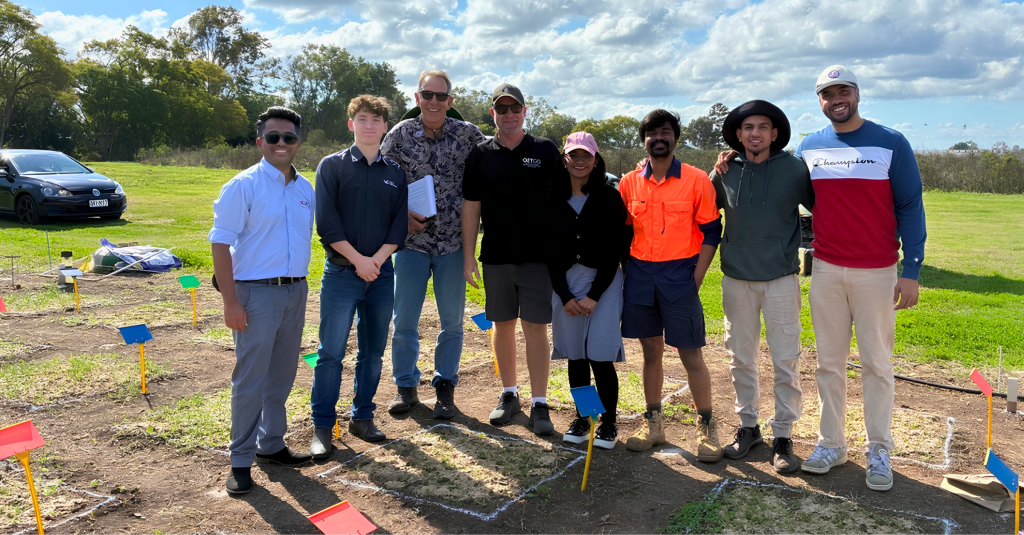
The AEA project further strengthens Vital Chemical’s position as a leader in sustainable innovation and reflects its ongoing commitment to advancing circular technologies that deliver long term environmental and commercial outcomes.
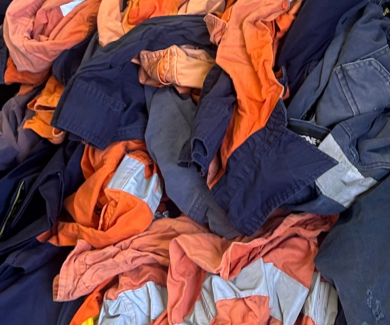
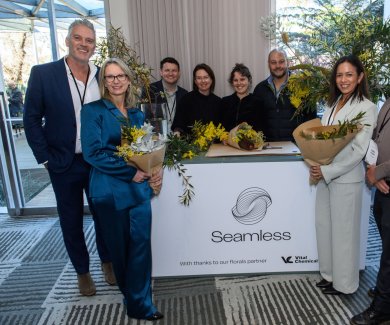
This approach is reinforced through initiatives such as Project ReCarbon. Delivered in partnership with Earth Systems, Georgiou, Textile Recyclers Group and Salvos Stores, and supported by the Seamless Circular Clothing Textiles Fund, the project focuses on diverting textile waste from landfill and, by using pyrolysis technology, recovering valuable carbon for use in environmental applications.
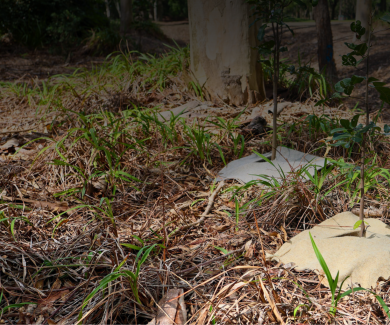
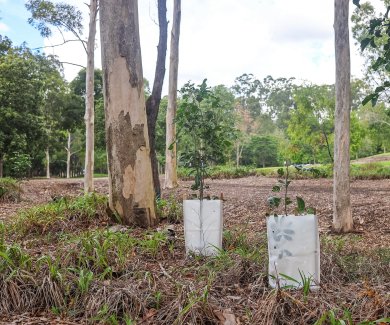
This same philosophy is evident in Vital Chemical’s expanding portfolio of sustainable landscaping and revegetation solutions, with the company continuing to introduce new products designed to minimise environmental impact across the full project lifecycle. Recent innovations include Vital Eco Tree Sleeves, a compostable alternative to traditional plastic tree guards that support early plant establishment without leaving residual waste.
Together, these technologies reinforce Vital Chemical’s position as a leader in sustainability and innovation within the civil and construction, land rehabilitation, mining and renewables sectors.
This project milestone highlights the value of collaboration between research institutions and industry partners in accelerating innovation from concept through to real world application. It also reinforces Vital Chemical’s role in advancing circular, bio-based solutions that address critical challenges in land rehabilitation and environmental management.