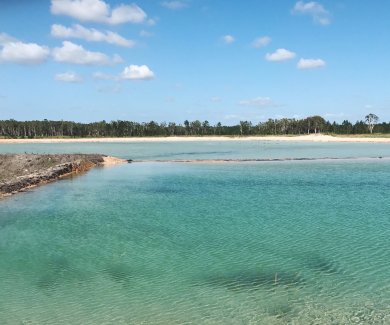
As we recognise World Rivers Day, it's a timely reminder that water leaving a construction site isn’t simply out of sight, therefore out of mind. It enters a complex network of creeks, rivers, wetlands and coastal environments, flowing through interconnected ecosystems and reinforcing the important role effective water management plays in protecting our waterways.
In this edition of Under the Microscope, we explore the importance of maintaining water clarity onsite, the role of regulatory compliance and industry best practice, why understanding treatment chemistry matters, how to select the right water treatment solution for your site and the environmentally sound solutions available from Vital Chemical.
The Importance of Maintaining Water Clarity on Site
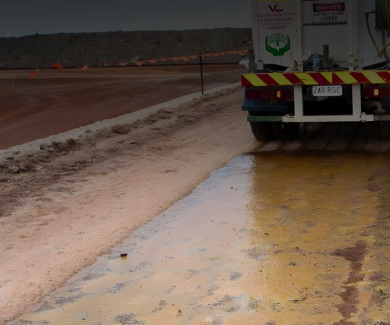
Whether generated through rainfall runoff or dewatering activities, site water often contains suspended particles that can impact downstream environments if allowed to leave site without first undergoing the appropriate water treatment solution.
Maintaining water clarity is one of the most visible indicators of effective water management. While clear water does not automatically mean good water quality, increased turbidity can indicate the presence of fine suspended sediments that may persist in the water column long after larger particles have settled.
These fine sediments can reduce light penetration within waterways, impacting aquatic vegetation and the ecosystems that depend on it. Suspended particles can also carry heavy metals and other contaminants, allowing these toxins to be transported further into receiving environments.
Once released from site, sediment-laden water can contribute to trigonal declining water quality, impacting aquatic habitats and accelerate the degradation of our waterways.
For project teams, maintaining water clarity is about more than compliance. It demonstrates a commitment to responsible environmental management and helps ensure water can safely return to the natural environment.
Regulatory Compliance and Industry Best Practice
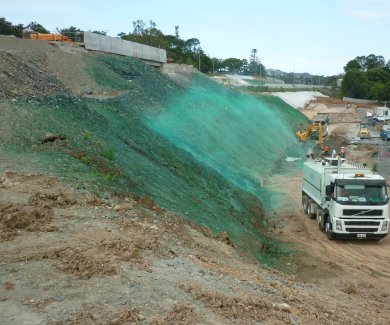
Across Australia, effective erosion control, sediment control and water quality management are fundamental components of responsible site operations.
Industry bodies such as IECA Australasia continue to advocate for best practice approaches that minimise sediment movement and protect water quality throughout the construction process. Their Best Practice Erosion and Sediment Control reinforces the importance of combining erosion prevention, sediment capture, and water treatment measures to achieve positive environmental outcomes.
At the same time, industry leaders increasingly recognise that successful water management extends beyond simply meeting minimum requirements. As discussed in Vital’s recent conversation with Innovate Enviro Managing Director Butch Uechtritz, achieving the best outcomes starts with understanding site-specific conditions and implementing practical solutions that address the unique challenges of each project.
When erosion and sediment controls are supported by effective water treatment management plan, projects are better positioned to protect receiving environments while maintaining productivity onsite.
Not all Water Treatment Solutions are Developed Equal
When evaluating water treatment options, the focus is often placed on finding the fastest acting or lowest cost solution to improve water clarity. However, understanding what ingredients are being introduced into the treatment process is equally important.
Water quality and environmental professionals are becoming increasingly aware of a range of substances that can impact waterways, ecosystems and human health. These include contaminants such as PFAS, often referred to as “forever chemicals” due to their persistence in the environment, as well as heavy metals, residual disinfectants, microbiological contaminants and other compounds that can affect water quality if not properly managed.
This highlights the importance of rigorous quality control throughout the development and manufacture of water treatment formulations. Understanding exactly what is contained within a treatment product is essential, as poorly controlled raw materials or unsuitable chemistries can introduce contaminants such as PFAS, heavy metals or compounds that may break down into undesirable by-products later in their lifecycle.
Some solutions may rely on formulations that can present environmental concerns if used incorrectly or in unsuitable applications. Treatment additives can be associated with toxicity risks to aquatic organisms, making product selection an important consideration for contractors, consultants and environmental managers alike.
What Water Treatment Solution is the Right Fit for Your Site?
There is no hard and fast rule when it comes to selecting a water treatment solution as no two sites are the same. Factors such as soil type, suspended sediment concentration, pH, catchment size and site operations can all influence the treatment requirements.
Broadly speaking, water treatment solutions used within erosion and sediment control applications generally fall into two categories: coagulants and flocculants.
Coagulants work by neutralising the electrical charge of fine suspended particles, allowing them to begin coming together.
Flocculants work differently. They create bridges between suspended particles, forming larger and heavier clusters known as flocs that settle more readily from the water column. They are particularly effective in treating highly turbid water and are often used to accelerate the clarification process.
In some applications, a combination of both technologies can provide enhanced treatment performance, particularly where water quality conditions are complex or highly variable.
For this reason, prior to selecting a water treatment solution it is important to gain an understanding of the site’s water composition.
Undertaking a jar test provides a simple and effective way to assess water quality and evaluate how different treatments may perform before embarking on a full-scale application. By replicating treatment conditions in a smaller trial environment, project teams can identify the most suitable product or combination of products for their specific site conditions.
The results can then be used by site managers, environmental consultants, and water treatment specialists to determine the most effective treatment strategy, helping to optimise performance while supporting environmental outcomes.
Purpose-Built Water Treatment Solutions
At Vital Chemical, our range of water treatment solutions includes flocculants, coagulants and a dual blend formulation that have been specifically designed with environmental stewardship in mind:
Our portfolio includes flocculants, coagulants and advanced blended formulations designed to address a wide range of site water treatment challenges. Our core range include:
- Vital Eco Super Floc is a water-soluble, natural biopolymer-based flocculant that will biodegrade into simple sugars and is known to support soil health.
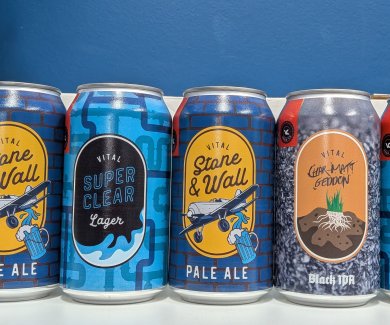
- Vital Super Clear is a high-quality, rapid-acting Aluminium Chlorohydrate based coagulant that once used will hydrolyse into Gibbsite, found abundantly in nature
- Vital Super Clear Extra is a combined formulation of an organic polymer flocculant and Aluminium Chlorohydrate coagulant for enhanced water treatment efficiency particularly in lower pH water where other products will struggle
Manufactured right here in Australia, Vital Chemical’s water treatment solutions are designed specifically for the varied conditions and the unique challenges faced by contractors, environmental managers and project teams across the country.
Recognised on the Infrastructure Sustainability Council (ISC)’s ISupply directory, these formulations have undergone extensive analytical testing, field trials and independent assessment prior to market entry. This rigorous approach removes the risk for clients, ensuring they receive reliable, best-value solutions without relying on harmful toxins or persistent synthetic chemicals.
As our industry continues to prioritise sustainability and environmental responsibility, the message for World Rivers Day is simple: protecting waterways starts on site. Through informed decision-making, effective erosion and sediment controls and responsible treatment selection, project teams can play an important role in ensuring water safely returns to the environment.
For more information on our water treatment solutions, click here.