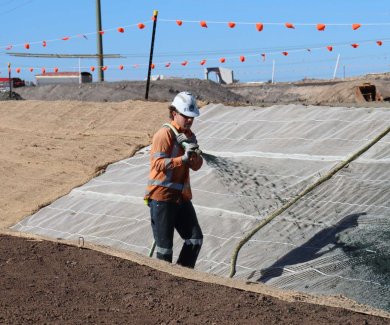
Dust management is a critical consideration across mining, civil construction, infrastructure, renewable energy and development projects. While dust is often viewed as an operational challenge, its impacts can extend far beyond the project boundary.
Uncontrolled dust has the potential to affect air quality, reduce visibility, impact surrounding vegetation, contribute to sediment movement and create concerns for neighbouring communities. It can also place pressure on site resources through ongoing water carting, equipment utilisation and maintenance requirements.
As environmental expectations continue to evolve, effective dust management is increasingly being recognised as an important component of responsible site management. It is not simply about suppressing visible dust. It is about supporting safer workplaces, reducing environmental impacts, conserving resources and helping projects operate responsibly within the communities in which they work.
Understanding the True Impact of Dust
Dust is generated whenever fine particles become airborne through activities such as vehicle movements, earthworks, material handling and wind erosion.
While the immediate effects are often visible, the broader impacts are not always as obvious.
Across project sites, dust can contribute to:
- Reduced visibility on access roads and operational areas
- Decreased air quality for workers and nearby communities
- Increased maintenance requirements for equipment and infrastructure
- Loss of valuable material from exposed surfaces
- Complaints from neighbouring stakeholders
- Environmental compliance challenges
The scale and significance of these impacts can vary considerably depending on local conditions, site activities and the characteristics of the material being managed.
Environmental and Community Responsibilities
For many projects, dust management has become an important part of broader environmental stewardship.
Dust emissions can affect surrounding environments in a variety of ways. Airborne particles may settle on vegetation, impact nearby watercourses or contribute to sediment movement during rainfall events. Sites operating near environmentally sensitive areas often need to carefully consider how dust generation may influence surrounding ecosystems.
These considerations are reflected in guidance provided by Australian environmental regulators. State environmental protection agencies recognise dust generated by activities such as earthworks, material handling, stockpiling and vehicle movements as a potential source of off-site environmental and community impacts, reinforcing the importance of proactive dust management practices.
Equally important are the communities located alongside many project sites.
Whether operating near residential developments, agricultural properties, transport corridors or public infrastructure, organisations are increasingly expected to demonstrate proactive environmental management practices. Visible dust emissions can influence community perceptions, generate stakeholder concerns and affect a project’s social licence to operate.
As a result, many organisations are moving beyond reactive dust suppression approaches and adopting longer-term dust management strategies that support both environmental and community outcomes.
Health and Safety Considerations
Dust management also plays an important role in maintaining safe operating environments.
On high-traffic haul roads, unsealed access roads and active construction areas, airborne dust can significantly reduce visibility for vehicle operators and workers. In busy operational environments, maintaining clear lines of sight can be critical for site safety.
Airborne particulate matter may also influence workplace air quality, particularly when sites are exposed to dry conditions, fine materials or sustained traffic activity.
By reducing dust generation at the source, sites can help improve operating conditions while supporting broader health and safety objectives.
Looking Beyond Water Carting
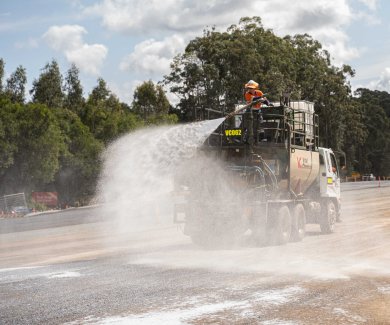
For decades, water carting has been one of the most widely adopted approaches to dust suppression.
While water remains an important dust management tool, many projects are now evaluating the broader operational implications of a water-only strategy.
Maintaining dust control through continual water application can require substantial volumes of water, particularly across large sites or in hot, dry and windy environments. This may result in increased water procurement requirements, frequent cart movements, additional labour demands and higher equipment utilisation.
Beyond water consumption, repeated carting activities can contribute to:
- Increased diesel usage
- Higher operational costs
- Greater equipment wear
- Additional maintenance requirements
- Increased emissions associated with ongoing site activities
As organisations continue to pursue sustainability objectives and resource-efficiency targets, there is growing interest in dust management programs that help reduce reliance on continual water applications while maintaining effective dust control outcomes.
Effective Dust Management Starts with Understanding Site Conditions
There is no universal approach to dust management.
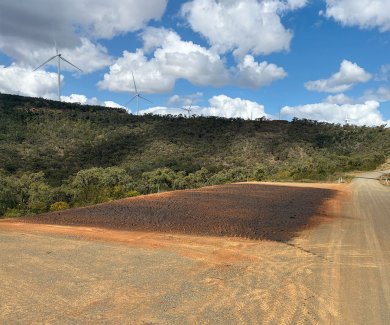
The factors influencing dust generation on a mine haul road can be vastly different from those encountered on a renewable energy project, tailings storage facility, quarry operation or urban development site. Even within a single project, dust sources may vary significantly depending on traffic volumes, material characteristics, exposure to wind, seasonal conditions and operational activities.
For this reason, effective dust management begins with understanding how and where dust is generated, as well as the environmental, operational and community outcomes a project is seeking to achieve.
Key considerations often include:
- Traffic volumes and vehicle types
- Material characteristics and particle size distribution
- Wind exposure and climatic conditions
- Water availability and site resources
- Project duration and operational requirements
- Proximity to environmentally sensitive areas
- Community expectations and stakeholder considerations
- Environmental and sustainability objectives
By assessing site-specific conditions and project priorities, organisations can develop dust management programs that not only reduce dust generation, but also support broader environmental, operational and sustainability outcomes.
Dust Management Solutions from Vital Chemical
Selecting the right dust management solution begins with understanding the specific challenges present on site.
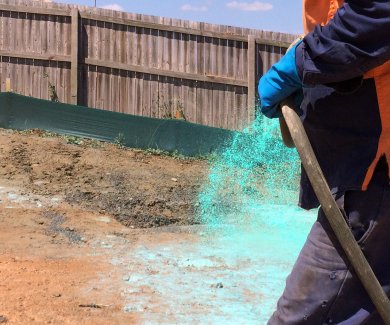
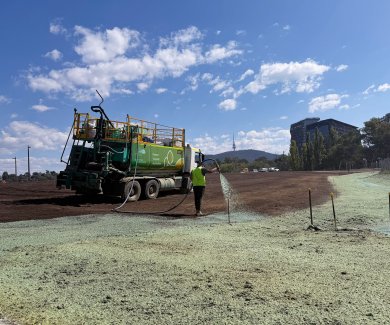
Vital Chemical offers a range of dust management and surface stabilisation technologies designed to support differing operational, environmental and project requirements.
- Vital Bon-Matt HR – Designed for heavily trafficked unsealed roads and demanding stabilisation applications where long-term surface performance and reduced maintenance requirements are key objectives.
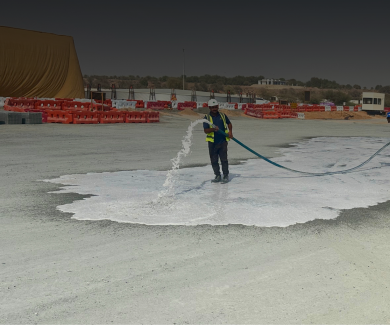
- Vital Bon-Matt RDS (S72) – A dust suppression and road stabilisation solution suitable for high-traffic haul roads and other operational areas where durability and performance are critical.
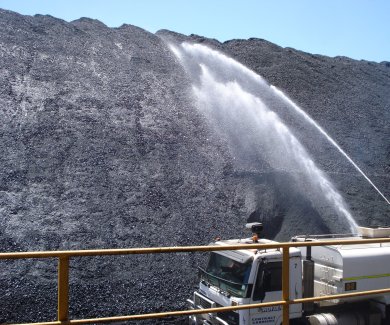
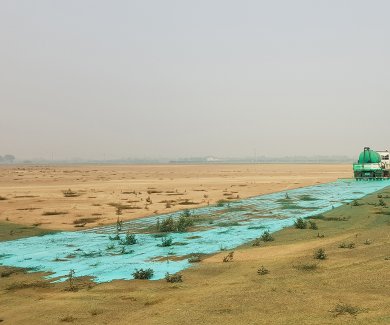
- Vital Bon-Matt CDS 300 – A fully biodegradable dust suppressant developed for fine mineral dust, stockpiles, tailings storage facilities and other non-trafficked surfaces vulnerable to wind erosion.
- Vital Bon-Matt P47-VR1 – A short-term stabilisation formulation designed for effective dust and erosion control.
- Vital Bon-Matt Stonewall – A broad-range dust and erosion control formulation that effectively binds dust particles and fugitive particulate matter.
- Vital Hydra Wet – A high-performance wetting agent that improves water penetration and moisture distribution, helping sites maximise the effectiveness of water resources.
By aligning dust management solutions with site-specific conditions, organisations can improve operational performance while supporting environmental and sustainability objectives.
Supporting Sustainable Site Outcomes
Effective dust management is about more than reducing visible dust. It is about protecting surrounding environments, supporting worker safety, reducing resource consumption and helping projects maintain positive relationships with neighbouring communities.
As expectations around environmental performance continue to evolve, organisations are increasingly seeking practical, science-based approaches that balance operational requirements with long-term sustainability objectives.
Through a combination of technical expertise, practical field experience and environmentally responsible solutions, Vital Chemical works with clients across mining, civil construction, infrastructure, renewable energy and development sectors to develop dust management programs tailored to site-specific conditions, environmental responsibilities and operational priorities.