Across landscaping, revegetation and environmental management projects, there is growing interest in products that not only perform effectively in the field but also contribute to more sustainable outcomes throughout their lifecycle.
Product selection is increasingly being influenced by factors beyond price and performance alone. Material sourcing, waste generation, ongoing maintenance requirements and end-of-life outcomes are becoming important considerations across infrastructure, urban landscaping, rehabilitation and environmental restoration projects.
For the landscaping and revegetation sectors, this is prompting a closer look at materials traditionally used, with project teams seeking solutions that can deliver practical performance while reducing waste and supporting long-term environmental outcomes.
Growing awareness of plastic pollution and microplastics has also highlighted the importance of considering the long-term impact of conventional synthetic materials when used on site. For selected applications, this has contributed to increased interest in compostable and natural fibre alternatives that can support vegetation establishment and rehabilitation outcomes without creating ongoing waste management challenges.
As a result, compostable and natural fibre products are increasingly being considered for selected landscaping and revegetation applications. Research, certification and recognised industry standards continue to support confidence in these alternative products and their environmental claims.
Practical Alternatives for Landscaping and Revegetation
Vital Chemical’s landscaping range has been developed to provide practical and environmentally sound solutions for the creation and long-term management of purpose-built landscapes.
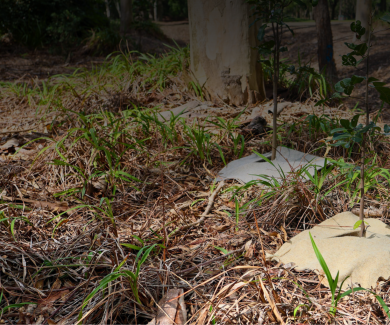
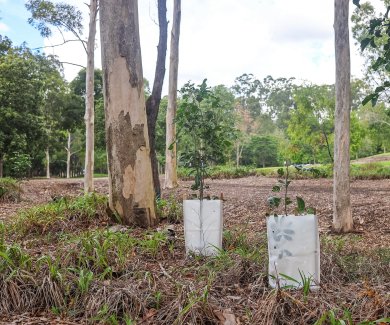
One example is Vital Eco Tree Sleeves, which are manufactured from certified compostable resin and designed to support the establishment and growth of young plants while providing protection from wildlife and environmental factors.
Unlike conventional alternatives, the sleeves naturally break down in soil without leaving harmful residues, eliminating the need for retrieval and disposal while supporting successful plant establishment. The product is free from microplastics and provides a compostable alternative to traditional tree guards for revegetation, environmental restoration and landscaping projects.
Vital Eco-Nett provides another practical example of how material innovation is supporting environmental outcomes.
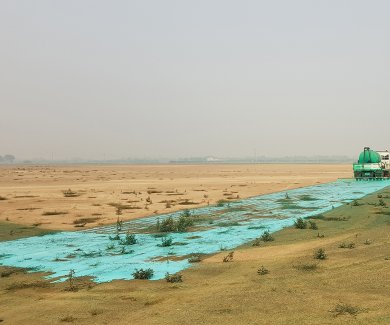
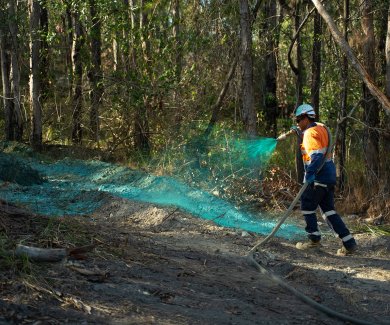
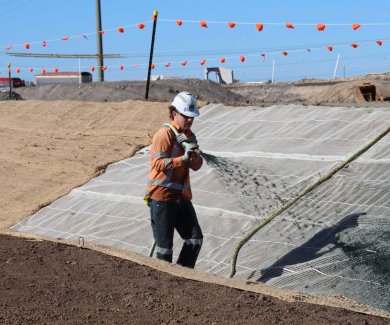
Designed as a compostable revegetation netting, the product assists with soil stabilisation and vegetation establishment across infrastructure, construction and environmental rehabilitation projects. By utilising certified compostable resin, Vital Eco-Nett helps reduce the long-term waste management challenges often associated with conventional alternatives while continuing to support successful revegetation outcomes.
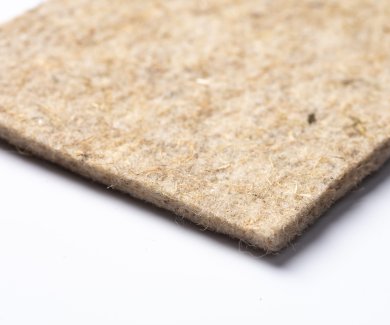
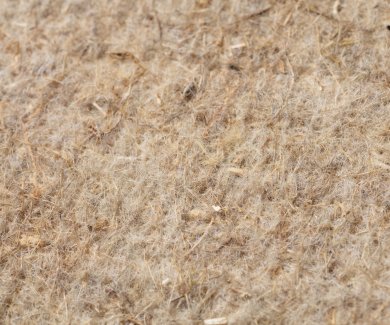
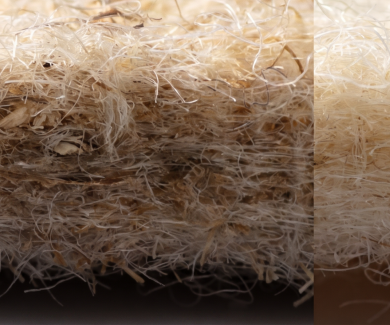
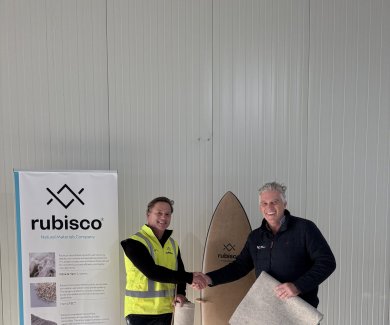
A significant addition to the landscaping range is VE Geo-Loc Made by Rubisco, a natural fibre geotextile manufactured from wool or a blend of hemp and wool fibres.
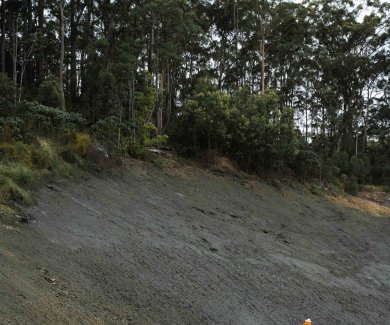
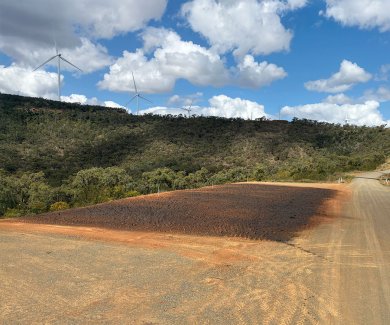
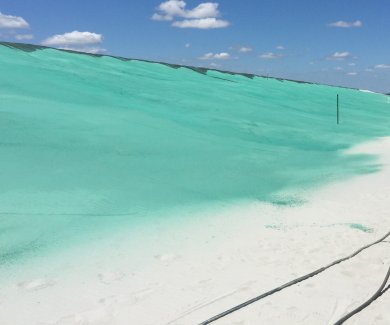
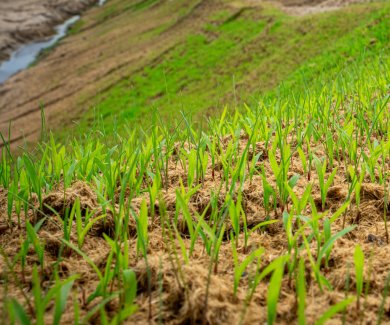
Developed for land stabilisation, erosion control, revegetation and environmental rehabilitation applications, the product contains no plastics, microplastics or toxins and naturally composts at the end of its service life.
Unlike traditional materials that may require removal and disposal, VE Geo-Loc contributes organic matter back into the soil while supporting vegetation establishment and long-term environmental outcomes. The product provides a natural fibre compostable alternative for projects where synthetic materials may be environmentally unsuitable or incompatible with long-term ecological objectives.
The wool and hemp blend’s sustainability credentials are further supported by an independently verified Environmental Product Declaration (EPD), providing additional transparency around its environmental performance and lifecycle impacts. Independent sustainability assessments have also highlighted benefits including compostability, nutrient return to soil and reduced landfill requirements.
The product’s newly released and independently developed Impact Sustainability Report provides an independent, in-depth analysis of the product’s environmental performance, confirming its position as a sustainably advanced and long-term economically superior alternative to conventional synthetic geotextiles and other natural-fibre erosion control measures. Among the most significant findings is the product’s carbon-negative footprint, with sequestered carbon in the natural fibres exceeding emissions generated during manufacturing.
Industry Insights from Greenscapes + Green Expo 2026
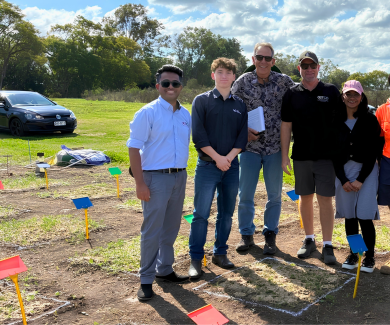
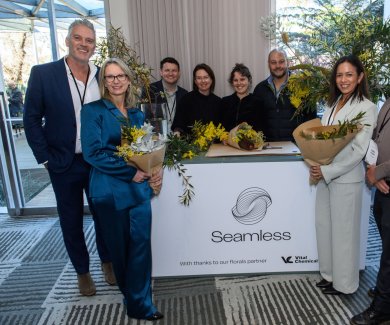
Brisbane’s Greenscapes + Green Expo 2026 provided an opportunity to engage directly with contractors, environmental consultants, landscape professionals and project stakeholders from across Australia. Many of the discussions taking place throughout the event reflected challenges already being encountered across the industry, including reducing waste, improving productivity and identifying practical, sustainable alternatives to conventional materials.
These discussions reinforced the growing importance of material selection in achieving both project and environmental objectives. Increasingly, organisations are evaluating products not only on their immediate performance, but also on factors such as waste reduction, resource efficiency and long-term environmental impact.
Products such as Vital Eco Tree Sleeves, Vital Eco-Nett and VE Geo-Loc Made by Rubisco demonstrate how compostable and natural fibre alternatives can support vegetation establishment, erosion control and environmental rehabilitation while reducing reliance on conventional synthetic materials.
Through ongoing product development, independent verification and a focus on practical environmental outcomes, Vital Chemical continues to deliver scientifically developed solutions that help clients overcome site challenges while supporting more sustainable landscaping and revegetation outcomes.